
Why do I get sick every time the seasons change... and others don't?
Every year, right around the time the weather turns, the same pattern shows up for a lot of people. A scratchy throat, some congestion, a few days of feeling run down. And then there is always that one friend who seems to sail through the transition without a single sniffle. Seasonal changes themselves are not the direct cause of getting sick, but they create the conditions that make illness more likely to take hold. Understanding what is actually happening in your body during these shifts can help you stay a step ahead of it, season after season.
Key takeaways
Seasonal shifts affect temperature, humidity, and daylight in ways that make viruses easier to catch and immune defenses harder to maintain.
Barometric pressure changes can trigger joint stiffness, migraines, and sinus pressure, even without an infection involved.
Immune strength varies from person to person based on prior exposure, genetics, and age, which is part of why some people seem to dodge every seasonal bug.
Simple daily habits, including sleep, hydration, nutrition, and hygiene, make a real difference in how your body handles the transition.
Why do I get sick every time the seasons change?
There is rarely one single reason. Seasonal illness tends to be the result of several small shifts happening at once.
Changes in temperature and humidity
Cooler, drier air can dry out the mucous membranes in your nose and throat, the same tissue that normally traps viruses and bacteria before they reach deeper into your body. When that barrier is compromised, it is easier for germs to take hold.
Increased exposure to viruses
As temperatures drop, people move indoors and spend more time in closer contact with one another. Respiratory viruses spread more easily in these settings, which is a big part of why cold and flu season lines up so closely with the change in weather.
Seasonal allergies
Ragweed, mold spores, and other seasonal allergens can inflame the nasal passages and throat, leaving them more vulnerable to whatever virus happens to be circulating.
Changes in sleep
Shifting daylight hours can disrupt sleep patterns, and sleep is one of the most important factors in how well your immune system functions.
Stress
Back to school schedules, shifting routines, and the general busyness of a new season can raise stress levels, which in turn can suppress immune function.
Barometric pressure: a hidden cause
One factor that often gets overlooked is barometric pressure. As weather systems move through, the pressure in the atmosphere rises and falls, and some people are noticeably sensitive to that change.
Joint stiffness, particularly for anyone with existing joint sensitivity
Migraines, which can be triggered by rapid pressure shifts
Sinus pressure and discomfort, which can feel a lot like the early stages of a cold
None of these symptoms mean you are getting sick. They are simply your body responding to the environment around it.
Immune system strength varies by person
Not everyone experiences seasonal transitions the same way, and a lot of that comes down to how your immune system is built.
Your innate immune system is your body's first line of defense, a general response that reacts quickly to anything unfamiliar. Your adaptive immune system works more specifically, learning to recognize particular viruses and building what is often called immune memory. The more your body has encountered a particular virus, whether through prior illness or vaccination, the faster and more effectively it can respond the next time around.
This is a big part of why some people seem to breeze through every seasonal shift while others catch nearly everything that goes around.
Genetics and age
Genetics play a role too. Some people inherit immune sensitivities that make them more reactive to allergens or slower to fight off certain viruses.
Age matters as well. Immune function tends to shift over time, and older adults, along with young children, often experience more noticeable seasonal illness simply because their immune responses work a little differently.
What illnesses are common during seasonal changes?
A handful of conditions tend to show up more frequently as the seasons turn:
Common cold
Influenza
COVID-19
Seasonal allergies
Asthma flare-ups
Sinus-related symptoms
How can I tell if it's a cold, allergies, or something else?
The overlap in symptoms is one of the most common sources of confusion this time of year. Here is a general comparison to help you get a sense of what might be going on.
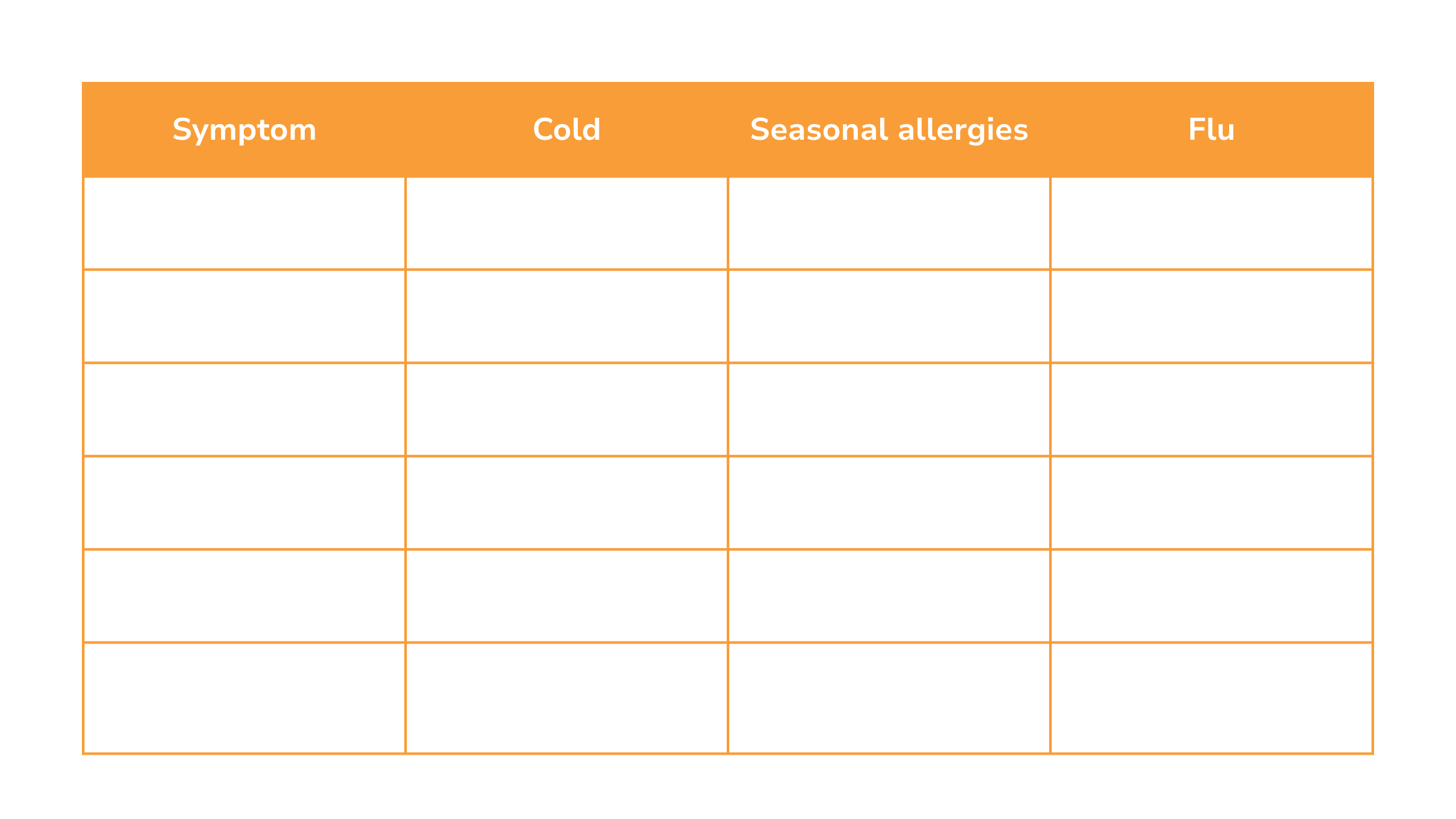
Symptoms can overlap, and this table is meant as a general guide rather than a diagnosis. If something feels off or persists longer than expected, it is worth having a conversation with your care team.
How to avoid getting sick when the seasons change
There is no single trick that prevents every seasonal illness, but a handful of habits consistently make a difference:
Stay hydrated, which supports the mucous membranes that help block germs
Moisturize your skin, since cracked, dry skin is more prone to infection
Get enough sleep, ideally on a consistent schedule
Eat a balanced diet rich in whole foods
Practice good hygiene, especially handwashing
Manage allergies proactively rather than waiting for symptoms to build
Improve indoor air quality as you spend more time inside
Consider supplementation, such as vitamin D, where appropriate for you
Conclusion
Getting sick every time the seasons change is not bad luck, and it is not something you simply have to accept. It is usually a combination of environmental shifts, immune variability, and daily habits that either support or strain your body's natural defenses. The good news is that many of the factors involved are within your control. Small, consistent changes to sleep, hydration, nutrition, and hygiene can meaningfully shift how your body handles the transition, season after season.
A more personalized approach to staying well
If you find yourself getting sick every season no matter what you try, it may be time for a closer look at what is really going on. At Resilient Health, our physicians take a personalized, whole-person approach to care, combining primary care with functional and integrative medicine under one roof. Reach out to schedule a visit and start building a plan that works for your body.
References
Centers for Disease Control and Prevention (CDC)
National Institutes of Health (NIH)
American Academy of Allergy, Asthma & Immunology
Frequently asked questions
Can changing weather actually make you sick?
Weather itself does not directly cause illness, but changes in temperature and humidity can weaken your body's natural defenses and make it easier for viruses to take hold.
Why do I get a cold every fall?
Cooler weather pushes people indoors, increasing close contact and the spread of respiratory viruses, which is a major reason cold season tends to line up with the change in weather.
Why do I get sick when spring starts?
Spring brings a rise in seasonal allergens like pollen, which can inflame the nasal passages and throat and make you more susceptible to viruses that are still circulating.
Can seasonal allergies make me feel sick?
Yes. Allergies can cause fatigue, congestion, and sinus pressure that feel a lot like the early stages of a cold, even without any infection present.
Does cold weather weaken your immune system?
Cold weather alone does not weaken immunity, but the dry air, reduced sunlight, and indoor crowding that come with it can create conditions where illness spreads more easily.
How can I stop getting sick every season?
Focusing on sleep, hydration, nutrition, hygiene, and stress management can meaningfully reduce how often you get sick during seasonal transitions.
Why do I get sick more often than other people?
Immune strength varies based on genetics, age, and prior exposure to specific viruses, which is why some people seem to catch everything while others rarely do.
