
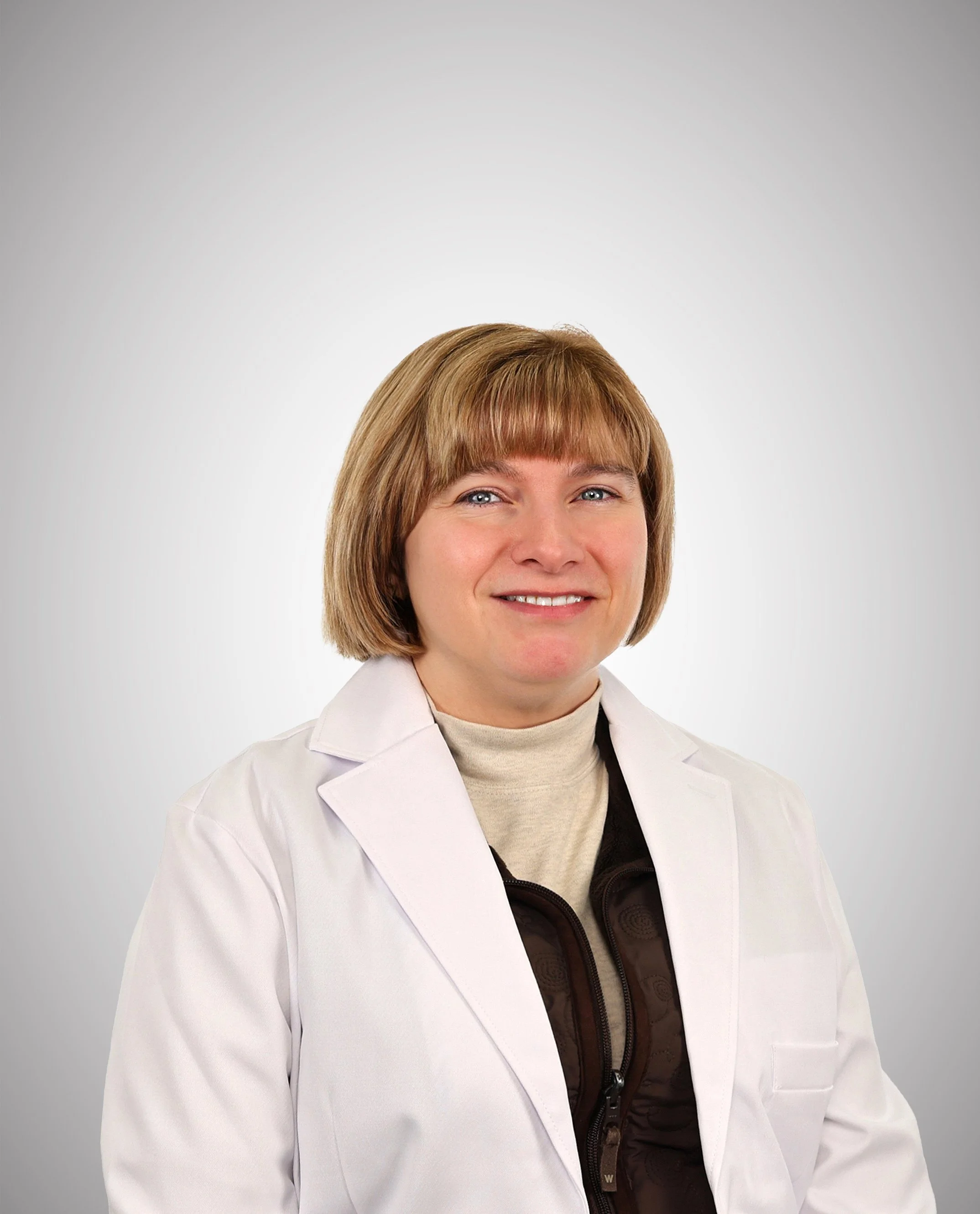
Resilient Health is growing, and we could not be more excited to introduce the newest member of our physician team: Dr. Daniela Gerard, MD, PhD, IFMCP. Dr. Gerard brings over two decades of clinical experience, a certified background in functional medicine, and a deeply investigative approach to understanding what is actually driving each patient's health. She begins seeing patients at Resilient Health as of July 22nd, 2026, and her perspective is a natural fit for everything this practice stands for.
Key Takeaways
Dr. Gerard holds an MD and PhD from SUNY Stony Brook's Medical Scientist Training Program, with a doctorate in Cellular and Molecular Pathology, bringing both clinical and research expertise to patient care.
With more than 20 years of emergency and hospital medicine experience, Dr. Gerard has seen and managed complexity at every level, and that lens shapes how she approaches whole-person care.
As an Institute of Functional Medicine Certified Practitioner (IFMCP), she is trained to look beyond individual symptoms and identify the root causes driving a patient's health picture.
Her clinical interests include brain health and cognition, stress resilience, hormone balance, metabolic health, gut-immune health, and healthy aging.
Dr. Gerard has a particular passion for patients who feel unwell despite labs that have come back "normal," and for developing realistic, sustainable strategies that meet patients exactly where they are.
An Uncommon Path to Functional Medicine
Dr. Gerard's journey into medicine began somewhere most physicians' stories do not: electrical engineering. After leaving Romania and arriving in the United States, she earned her Bachelor of Engineering, cum laude, from SUNY Stony Brook, with a minor in biology. It was during those undergraduate years that her interest in natural sciences and the complexity of human biology began to take hold.
She went on to complete both her MD and PhD through the Medical Scientist Training Program at SUNY Stony Brook School of Medicine, earning her doctorate in Cellular and Molecular Pathology. After an Internal Medicine internship at the University of Rochester's Strong Memorial Hospital, she completed her Emergency Medicine residency at Allegheny General Hospital in Pittsburgh, Pennsylvania.
Two Decades at the Front Lines of Medicine
For more than two decades, Dr. Gerard practiced emergency and hospital medicine at the highest levels of clinical intensity. She held board certifications, served as a regional leader in emergency medical services, and was named a nominee for Most Influential Women of Wyoming in 2014. That foundation in acute, complex care gave her a rare vantage point and understanding of:
How systems in the body interact with one another
How quickly things can change when something is missed
How often the conventional model stops short of finding real answers
That curiosity pulled her toward functional medicine. She became certified through the Institute of Functional Medicine and is currently pursuing additional board certifications in anti-aging and regenerative medicine. The through line from engineer to researcher to emergency physician to functional medicine practitioner is not a coincidence. It reflects a mind wired to understand systems, spot patterns, and pursue the "why" rather than settle for the "what."
A Whole-Person, Root-Cause Approach
At the heart of Dr. Gerard's clinical philosophy is a belief that no two patients are the same, and that lasting health comes from understanding the full picture of a person rather than managing a diagnosis in isolation.
Her clinical interests span brain health and cognition, stress resilience, hormone balance, metabolic health, gut-immune health, and healthy aging. These are not separate specialties to Dr. Gerard; they are interconnected systems that she evaluates together. Her background in research and cellular pathology informs how she reads lab work, interprets patterns, and identifies contributors that a more fragmented approach might overlook.
What Patients Can Expect
She has a particular dedication to patients who have been told that everything looks normal, yet still do not feel well. That gap between what standard testing shows and how a patient actually feels is where Dr. Gerard does some of her most meaningful work. She approaches those situations with patience, precision, and a commitment to finding realistic, sustainable strategies rather than quick fixes.
Her previous patients consistently described Dr. Gerard as a physician who truly listens, explains complex information in accessible terms, and takes the time to understand not just their health history but their lives. Her goal is not to override the body, but to help it function the way it is designed to, building a foundation for greater energy, resilience, and vitality so patients can fully engage in the lives they want to live.
Now Seeing Patients at Resilient Health
Dr. Gerard joining the Resilient Health team reflects our commitment to bringing physicians who share a fundamental belief. Primary care and functional medicine belong together, proactive health is not a luxury, and that every patient deserves time, attention, and a care plan built around their specific biology and goals.
Whether you are looking to optimize your health, address concerns that have gone unexplained, or simply build a stronger partnership with a physician who takes a thorough, investigative approach, Dr. Gerard is now available to see new patients at our Austin practice.
To learn more or to schedule a consultation, contact us at (512) 717-9775 or visit resilienthealthaustin.com/contact.
Disclaimer
This blog is intended for informational purposes only and does not constitute medical advice. Please consult a qualified healthcare provider regarding any personal health concerns.
