
What Women-Centered Care Looks Like at Resilient Health
Preventive, Hormonal, and Whole-Body Wellness
Through Every Stage of Life
Women's bodies are complex, dynamic, and deeply individual. Yet healthcare has historically treated males as the default and females as variations of males. It wasn’t until 1993 (33 years ago) that the U.S. Congress passed a law requiring the inclusion of women in National Institute of Health sponsored clinical trials. The result has been a huge gap of knowledge, leaving many women with missed diagnoses, undertreated symptoms, and an overwhelming sense of feeling misunderstood.
Today, there’s a growing shift toward personalized and preventive medicine, especially for women. At Resilient Health, we believe every woman deserves care that sees her as a whole person with interacting systems, not just a set of symptoms to manage. That's exactly what women-centered, whole-person healthcare is designed to deliver.
Key Takeaways
Women-centered care is built around personalized medicine: understanding the root causes rather than treating symptoms.
Preventive screenings at every life stage, from cervical cancer screening, to mammograms, to bone density screening.
Hormone health is central to how women feel at every age, and hormonal imbalances deserve thoughtful, individualized support.
Mental wellbeing, lifestyle factors, and physical health are deeply interconnected. All three must be addressed together.
Personalized healthcare evolves with you, including reproductive years, pregnancy, postpartum, midlife transitions, menopause, and beyond.
What Is Woman-Centred Healthcare?
Women-centered healthcare begins with a simple but powerful belief: no two women are the same. Personalized medicine means crafting a plan around an individual's unique biology, history, lifestyle, and goals, not a generic protocol designed for the “average” patient.
Root-cause medicine goes a step further by asking why a health problem is occurring, rather than how symptoms can be suppressed. Instead of prescribing medication for fatigue and moving on, a root-cause physician investigates sleep quality, thyroid function, nutrient levels, stress hormones, and more. This holistic approach treats the individual, not just the diagnosis. For women whose health needs shift dramatically across decades, this kind of personalized care isn't a luxury. It's the standard every woman deserves.

The Importance of Preventive Screenings Throughout a Woman’s Life
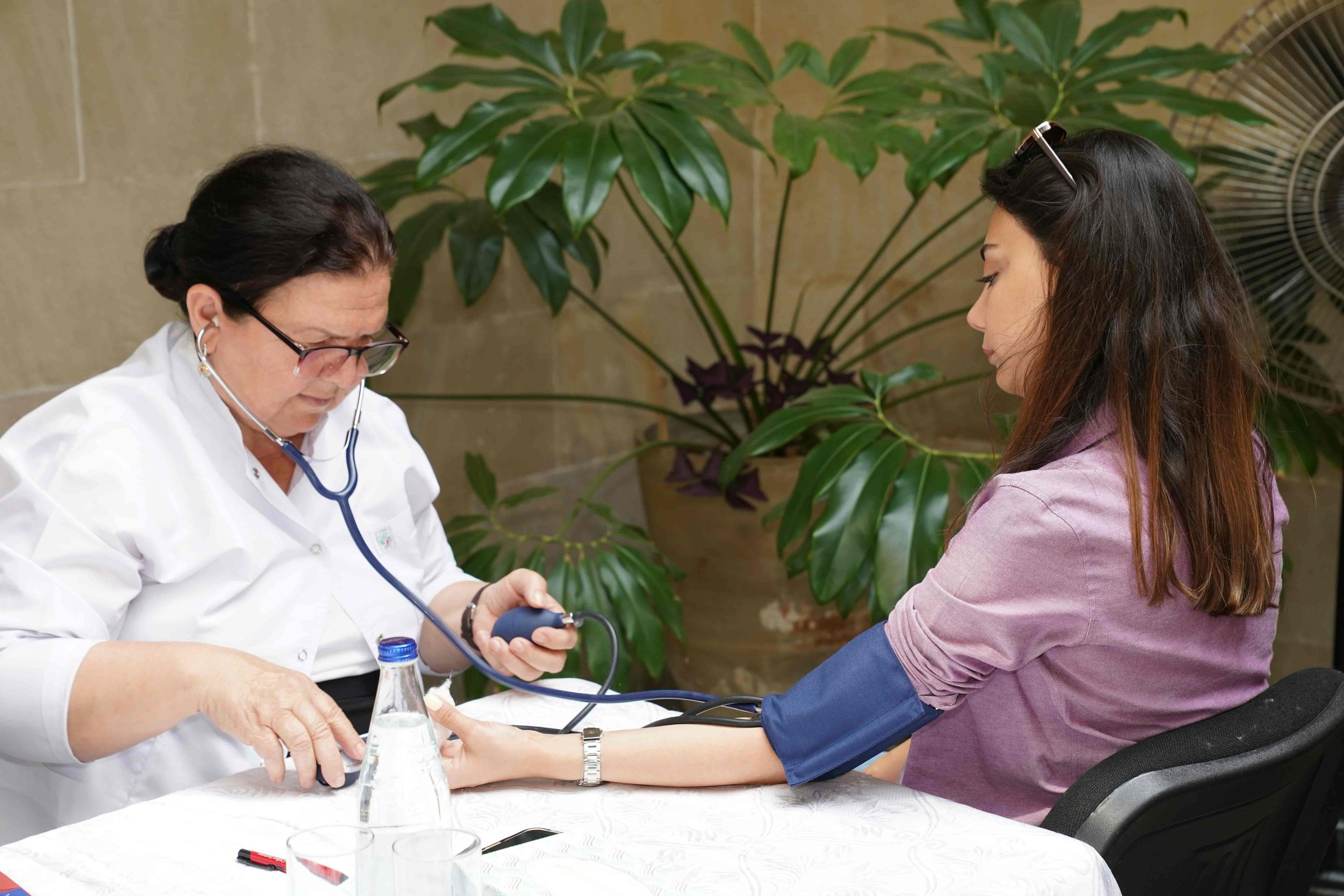
Preventive care is one of the most powerful tools in women's health, yet it's often used reactively rather than proactively. Wellness exams should be a consistent, evolving part of every woman's health journey, not just when something goes wrong.
For example, regular cervical cancer screening through Pap smears and HPV testing remains critical from young adulthood onward. As women move into their 40s and beyond, mammogram recommendations become central to breast cancer prevention and early disease detection. Bone density screening helps identify osteoporosis risk before fractures occur. And heart health for women deserves attention at every age, especially given that cardiovascular disease is the leading cause of death among women. Customizing the timing and frequency of these screenings to your individual risk profile is what separates truly personalized care from a standard checklist.
Hormone Health and Personalized Support
Hormones influence nearly everything in a woman's body: mood, energy, weight, sleep, libido, and cognitive clarity. Women's hormone health is not static. It shifts through puberty, pregnancy, postpartum recovery, perimenopause, and menopause. When hormonal imbalances go unaddressed, the effects spread into every aspect of daily life.
Personalized hormone support begins with comprehensive testing and a conversation about how you actually feel. Whether you're navigating postpartum hormonal changes, the unpredictability of perimenopause, or the longer-term shifts that follow menopause, a tailored approach to hormone balance can be genuinely life-changing. The goal isn't to override your body. It's to help it function the way it's meant to.
Mental Wellbeing as a Core Part of Women’s Healthcare
In integrative medicine, we don’t treat mental health as separate from physical health. Women experience depression, anxiety, and mood disorders at higher rates than men, and hormonal fluctuations play a direct role.
Every woman's care plan should incorporate mental health care. That means screening for mood changes, understanding family mental health history, addressing sleep disorders, exploring the connection between stress and physical symptoms, and offering support during high-risk periods like puberty or pregnancy. When a woman's mental health improves, her overall health improves.
Lifestyle Factors That Shape Women’s Health
Lifestyle is not a footnote; it's the foundation. The following factors uniquely shape women's health outcomes and deserve careful, personalized attention:
Nutrition: Hormonal health, bone density, and energy levels are all deeply tied to what we eat. Nutritional needs shift significantly across a woman's life.
Movement: Weight-bearing exercise supports bone health; strength training improves metabolic function; restorative movement reduces cortisol. The right type of exercise matters as much as frequency.
Sleep: Poor sleep disrupts hormone regulation, increases inflammation, and accelerates many chronic conditions. Women are more susceptible to insomnia, particularly during hormonal transitions.
Stress management: Chronic stress elevates cortisol, which in turn disrupts estrogen and progesterone balance, creating a cascade of physical symptoms.
Social connection: Research consistently shows that meaningful relationships are protective against disease, depression, and cognitive decline.
Environmental exposures: Endocrine-disrupting chemicals in food, water, and everyday products can quietly interfere with hormone balance over time.

The Role of Root-Cause Medicine in Women’s Health
Unfortunately, many women spend years cycling through specialists, collecting diagnoses, and managing symptoms, without ever finding out why they feel the way they do. Root-cause medicine disrupts that pattern by treating each woman as uniquely complex rather than a collection of isolated complaints.
Root-cause and functional approaches are particularly effective for conditions that disproportionately affect women, including thyroid disorders, autoimmune disease, polycystic ovary syndrome (PMOS, formerly PCOS), chronic fatigue, gut dysfunction, and hormonally driven mood disorders.
Advanced diagnostic tools allow functional medicine physicians to see a fuller picture: comprehensive blood panels, hormone testing (including saliva and urine analysis), nutrient assessments, gut microbiome testing, genetic screening, and detailed health history intake. These tools don't just identify what's wrong, they help lead us in the direction of lasting recovery.
Personalized Healthcare Through Every Stage of Life
A woman's health needs are never static and each stage brings its own unique physical, hormonal, and emotional landscape.
In girlhood and adolescence, care focuses on healthy development, establishing good habits early, and navigating the physical and emotional changes that come with puberty. These foundational years set the tone for lifelong wellness.
In young adulthood, the priorities shift toward menstrual health, mental wellbeing, preventive screenings, and building a personalized health baseline before problems arise.
In the reproductive years, care centers on fertility support, prenatal wellness, and postpartum recovery. This is a period that is often under-supported despite its enormous physical and emotional demands.
In midlife, perimenopause and menopause bring new challenges: shifting hormones, changing metabolism, mood fluctuations, and increased cardiovascular risk. This is a stage where proactive, personalized care can genuinely revolutionize quality of life.
In the years after menopause, the focus turns to preserving vitality by supporting bone health, cognitive function, heart health, and continued emotional wellbeing. This helps women understand their individual needs and take meaningful action, rather than accepting decline as inevitable.
At every stage, the goal is the same: care that is tailored to you, honors your whole person, and helps you reach your unique health goals.

Conclusion
Women deserve healthcare that meets them where they are, not where a standard protocol assumes they should be. At Resilient Health, personalized, preventive, whole-person care is the foundation of everything we do. Whether you're navigating hormonal changes, seeking answers for chronic symptoms that have gone unaddressed, or simply ready to invest in your long-term wellness, we're here to partner with you at every step of your health journey. Because when care is truly personalized, women thrive.
References
American College of Obstetricians and Gynecologists. (2023). Well-Woman Visit. ACOG Committee Opinion.https://www.acog.org
U.S. Preventive Services Task Force. (2024). Breast Cancer Screening Recommendations.https://www.uspreventiveservicestaskforce.org
U.S. Preventive Services Task Force. (2023). Cervical Cancer Screening.https://www.uspreventiveservicestaskforce.org
The Menopause Society (formerly NAMS). (2023). The 2023 Menopause Society Position Statement. Menopause, 30(6), 573–652.
National Institutes of Health, Office of Research on Women's Health. (2023). Sex & Gender Influences on Health.https://orwh.od.nih.gov
Cleveland Clinic. (2024). Hormone Imbalance in Women: Symptoms, Causes & Treatment.https://my.clevelandclinic.org
Harvard T.H. Chan School of Public Health. (2023). The Nutrition Source: Women's Health.https://www.hsph.harvard.edu/nutritionsource
Hyman, M. (2020). The UltraMind Solution: The Simple Way to Defeat Depression, Overcome Anxiety, and Sharpen Your Mind. Scribner. (Foundational reference for root-cause/functional medicine approach)
Disclaimer
The content on this blog is for informational purposes only and is not a substitute for professional medical advice, diagnosis, or treatment. Always consult your physician or another qualified health provider with any questions you may have about a medical condition.
